


360 Assessment and the Inner Game of Leadership
I was lucky to coach an extraordinary leader. He was extraordinary in two ways.
First, he had the best technical judgment in a large, highly technical company. People went to him with the hardest problems.
Second, by his own admission, he had little self-confidence — an extraordinary thing for a mature leader who was, in effect, the COO of the business.
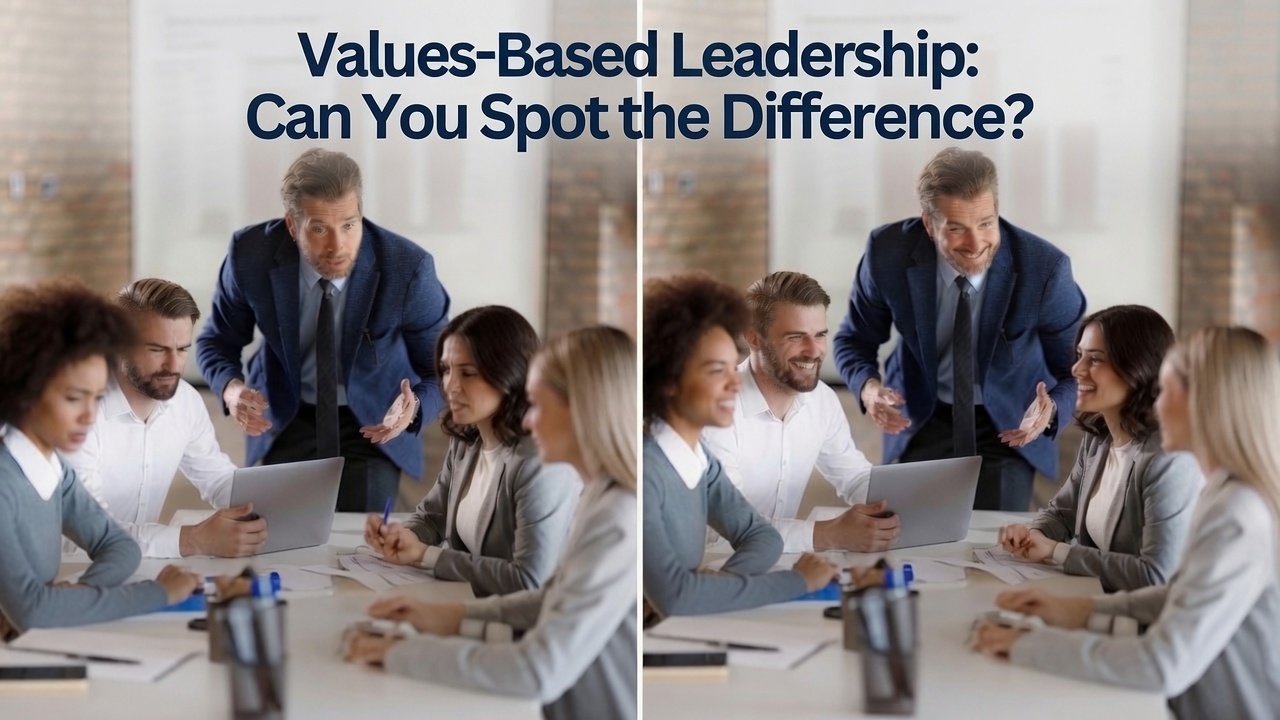
Coaching: Values-Based Leadership
Many leadership challenges are not failures of competence. They are failures of connection — between the leader and their people, and between the leader’s deepest values and the demands of their role.

Triggered! How Conflict Ripples Through Teams
As we work with teams, we see domino actions where leaders’ worst sides trigger another’s worst side in conflicts. Team dynamics often resemble a chain reaction where one team member’s stress-induced behaviors can trigger a cascade of responses from others.

Diligence in Hiring: Ensuring Your Candidate Thinks, Behaves and Performs like the Leader you Need
Hiring is complex. Today, Leaders must navigate complexity daily and change constantly. Hiring decisions are essentially predicting performance across years of future challenges and are difficult to get right. While we should strive for simplicity, do not oversimplify hiring.

Succeeding at Succession: Bring in Humanity, Build Relationships, Have a Process
Relationships play a key role in succession and can lead to great (and sometimes not so great) decisions. A decision process that builds relationships supports success of the organization for the long run. Such a process will also capture the collective intelligence of those tasked with the decision and lay the groundwork for a smooth transition.

Successful Mergers: Speeding to the Destination by Re-establishing Operating Expectations
Getting work-processes (Operations) and infrastructure (IT, Accounting, HR) integrated is one challenge. Getting culture aligned and key relationships built is another. The sooner relationships are built and a shared worldview is established, the better chance that the journey will be successful. We have seen the importance of speed; getting work-processes and infrastructure integrated requires trust and a shared worldview. How is this done?


